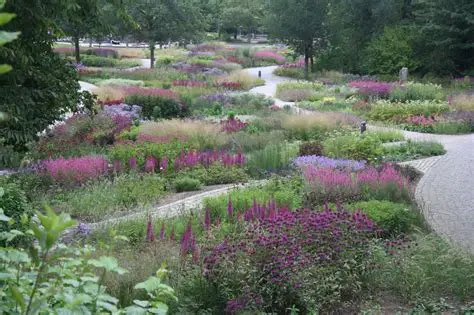
Economic Benefits of a Botanic Garden for Armidale, NSW
Introduction
Botanic gardens provide multifaceted returns to communities—not only environmental and educational benefits but also measurable economic value. In Australia, evidence from established gardens shows that strategic investment in botanic gardens can
- boost tourism
- support employment
- preserve cultural heritage
- encourage community development
- promote environmental conservation through sustainable practice
- support small businesses and local entrepreneurs
- strengthen regional economies
- improve infrastructure
- and enhance community wellbeing.
The Armidale Botanic Garden (ABG) is set to become the leading tourism destination in Armidale and the New England region, open year-round to maximize visitor numbers and income. Botanic gardens significantly boost local economies by attracting thousands of visitors annually, which benefits restaurants, hotels, and plant nurseries directly, and other businesses indirectly. They also attract external funding, support scientific research, and enhance educational opportunities. Community engagement is strengthened as gardens serve as places for well-being and social inclusion, while their maintenance and development create jobs in regional areas.
This report synthesises Australian research, case studies, and sector impact reports to outline the economic rationale for establishing a botanic garden in Armidale, New South Wales.
Tourism and Visitation Impact
One of the clearest economic benefits of botanic gardens is their ability to attract visitors, both domestic and interstate, who generate spending on accommodation, dining, retail, and services. To maximise the numbers of visitors and economic income, Armidale Botanic Garden will be open every single day of the year, embracing all four seasons.
Key Impacts of Tourism
- Economic growth and sustainable revenue for local businesses
- Job creation across hospitality, transport, and retail sectors
- Preservation of cultural heritage and support for local identity
- Environmental conservation through responsible tourism
- Improved infrastructure and public services
Tourism not only boosts economies and creates jobs, but also fosters cultural understanding and supports environmental conservation, making it vital for communities worldwide.
Case Study: Royal Botanic Gardens & Domain Trust (NSW)
A Deloitte Access Economics report on the Royal Botanic Gardens & Domain Trust — which includes the Royal Botanic Garden Sydney, the Australian Botanic Garden Mount Annan, and the Blue Mountains Botanic Garden — found that these gardens contributed around AUD $140 million per year to the New South Wales economy during the 2016–17 period. Tourism was identified as a key driver, with interstate and international visitors contributing a significant share of that economic value. Additionally, the gardens collectively attracted approximately 5.8 million visits in that year, demonstrating their drawing power as major visitor attractions.
This visitation translates directly into economic activity beyond the garden gates: eating at local restaurants, staying in local accommodation, shopping, and booking tours. For Armidale, a regional botanic garden that integrates plant collections with local heritage and environment could similarly increase visitor numbers, encourage longer stays, and diversify the region’s tourism economy.
Special Events and Tourism Boosts
Large-scale botanical or cultural events held within gardens can also produce significant visitor spending spikes. For example, the “Chihuly in the Botanic Garden” exhibition at Adelaide Botanic Garden attracted around 1.4 million attendees over seven months, generating an estimated AUD $55.7 million in economic benefit for South Australia and supporting the equivalent of over 300 full-time jobs through visitor nights and associated spending on hospitality and accommodation.
These outcomes suggest that when positioned as tourism and cultural destinations, botanic gardens can anchor visitor experiences and significantly contribute to regional economic performance.
Job Creation and Local Economic Multipliers
Botanic gardens generate employment directly through their operational needs—horticulture, education, visitor services, research, maintenance—and indirectly through the tourism sector and supply chains.
The Deloitte report on the NSW gardens found that the RBGDT’s activities supported over 1,100 jobs when accounting for direct, supply chain, and tourism-induced employment.
Extrapolated to a regional setting, even a smaller botanic garden has the potential to:
- create full-time and part-time roles in garden operations and visitor services;
- increase demand for local hospitality, retail, and transport services;
- support contractors and suppliers in landscape construction, signage, and education materials.
Employment gains contribute to household income growth, which in turn generates secondary spending within the local economy.
Community Wellbeing, Learning, and Qualitative Benefits
While not purely economic, community wellbeing outcomes also support broader economic performance by enhancing liveability, attracting residents, and increasing property market desirability—factors linked with regional economic resilience.
Botanic gardens across Australia play important roles in community learning, relaxation, and social cohesion. Research partnership efforts—such as those documented by Botanic Gardens Australia & New Zealand (BGANZ) and Western Sydney University—showed that community greening initiatives contribute positively to social relationships and community engagement, which indirectly support local economic activity by strengthening community identity and visitor desirability.
Similarly, the Growing Victoria’s Botanic Gardens Collective Impact Report highlights economic benefits such as boosted tourism and job creation in urban and regional areas, as well as improved amenities and educational opportunities that improve garden attractiveness and accessibility.
These broader outcomes support the argument that botanic gardens are more than just green spaces; they are catalysts for community investment and economic inclusion.
Conclusion
Australian evidence supports the conclusion that botanic gardens:
- Significantly contribute to tourism expenditure and regional visitor economies;
- Support job creation across multiple sectors;
- Enhance community well-being and educational opportunities, which indirectly underpin economic resilience; and
- Can generate substantial economic benefits from both routine visitation and special programming.
For Armidale NSW, a thoughtfully designed botanic garden could become a destination anchor, boosting overnight stays, supporting local businesses, creating employment opportunities, and strengthening Armidale’s economic portfolio in the tourism and cultural sectors.
Reference List
Adelaide Botanic Garden Project. 2025. “Chihuly in the Botanic Garden Visitor and Economic Impact.” South Australian Tourism research, showing economic benefit of AUD $55.7 million and over 300 full-time job equivalents.
Botanic Gardens Australia & New Zealand (BGANZ). 2025. Growing Victoria’s Botanic Gardens Collective Impact Report. Highlights economic benefits including boosted tourism and job creation in regional areas.
Deloitte Access Economics. 2018/19. A walk through the gardens: The economic, social and cultural contribution of the Royal Botanic Gardens & Domain Trust. Report commissioned by Royal Botanic Gardens & Domain Trust, showing approx. AUD $140 million economic contribution annually and support for over 1,100 jobs.
Royal Botanic Gardens & Domain Trust. Visitor statistics and economic impact summary, showing approx. 5.8 million visits annually contributing to NSW tourism performance.